
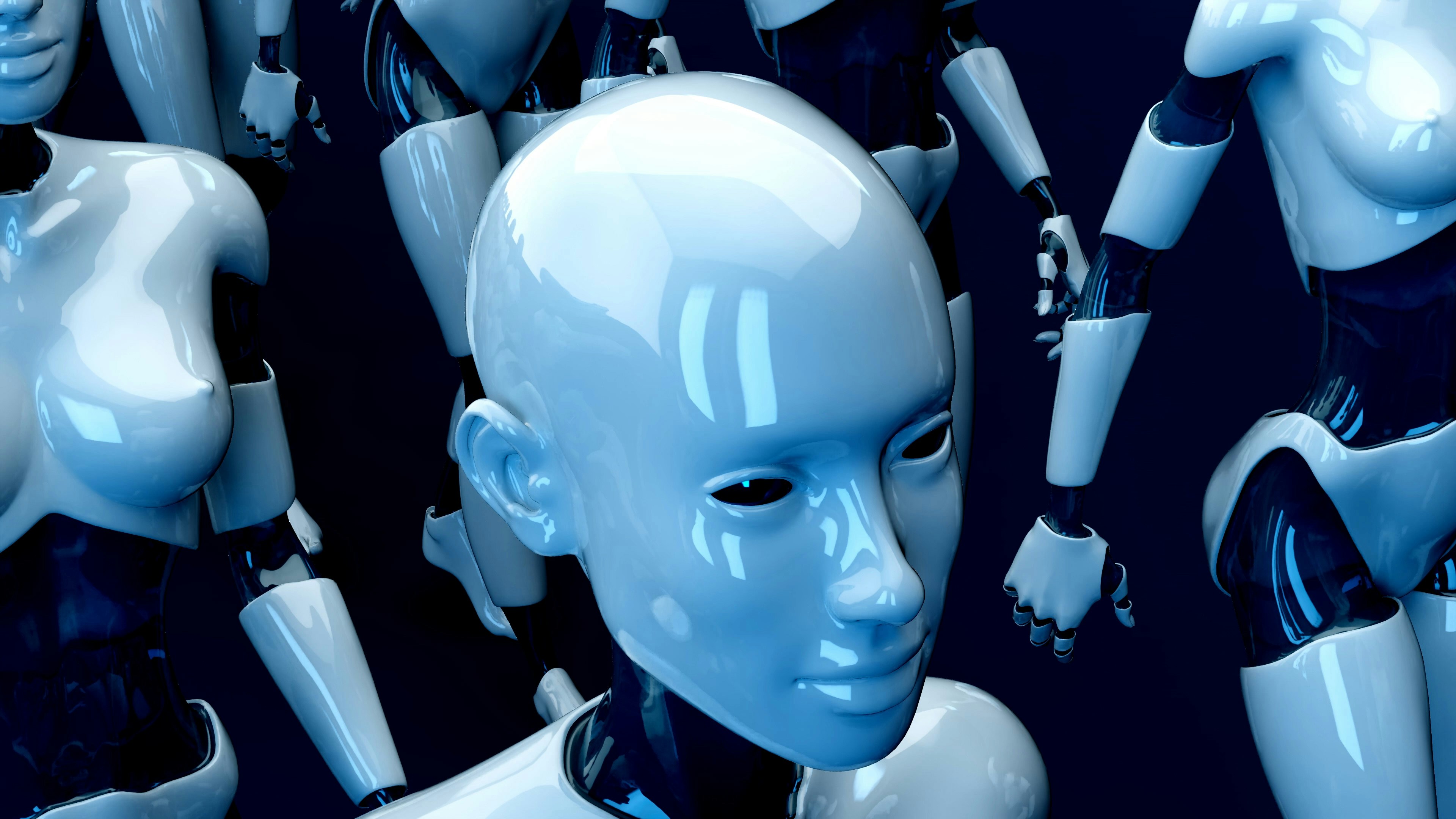
For decades, the Software Development Lifecycle (SDLC) has been the bedrock of creating technology. From rigid Waterfall models to the fluid dynamics of Agile, we've refined processes to build reliable software. But today, a seismic shift is underway, driven by the exponential growth of Generative AI. We are entering a new era: the AI-First SDLC.
What is the AI-First SDLC?
The AI-First SDLC is not merely about using AI tools to assist developers. It's a fundamental paradigm shift where Artificial Intelligence is treated as a core collaborator at every stage, from initial concept to long-term maintenance. In this model, human developers transition from being sole creators to becoming architects, strategists, and curators, guiding intelligent systems to achieve goals faster, more efficiently, and with greater insight.
The Stages of the New Lifecycle
Let's break down how AI is revolutionizing each traditional stage of development:
1. AI-Augmented Ideation & Requirements
Traditionally, this stage involves manual market research, brainstorming sessions, and writing user stories. In the AI-First model, AI can analyze vast datasets of market trends, competitor products, and user feedback to identify untapped opportunities. It can generate detailed user personas, draft initial product requirement documents (PRDs), and even simulate potential user journeys to uncover pain points before a single line of code is written.
2. Generative Design & Prototyping
UI/UX design, once a meticulous process of wireframing and creating mockups in tools like Figma, is now being supercharged. Developers can use text-to-UI models to generate dozens of high-fidelity design variations in seconds. These aren't just static images; AI can produce interactive prototypes, allowing teams to test user flows and gather feedback with unprecedented speed.
3. Intelligent Code Generation & Pair Programming
This is perhaps the most well-known application. AI "copilots" like GitHub Copilot are now essential partners. Their role extends beyond simple code completion. They can:
- Write entire functions and classes from a natural language comment.
- Translate code from one programming language to another.
- Explain complex legacy code, making it easier to refactor.
- Automatically generate documentation for existing codebases.
4. Autonomous Testing & Quality Assurance
Writing comprehensive tests is critical but time-consuming. AI is transforming QA by autonomously generating entire test suites (unit, integration, and end-to-end) based on the application's code and requirements. It can perform intelligent visual regression testing, identifying subtle UI bugs that human eyes might miss, and even predict which parts of the code are most likely to contain bugs after a new change is introduced.
5. Proactive Monitoring & Self-Healing Systems
Post-deployment, the focus shifts from reactive to proactive. Instead of waiting for an alert that a server is down, AI-powered monitoring systems can detect subtle anomalies in performance metrics that predict an impending failure. In advanced scenarios, these systems can trigger "self-healing" protocols, automatically scaling resources, restarting services, or rerouting traffic to prevent downtime before it ever impacts the user.
The Human Role in an AI-Driven World
Does this mean developers are becoming obsolete? Absolutely not. The role is evolving. The future developer is a high-level thinker who leverages AI to amplify their own creativity and problem-solving skills. The focus shifts from writing boilerplate code to:
- Strategic Prompt Engineering: Articulating problems to AI in a way that yields the best results.
- Architectural Design: Making high-level decisions about system structure and technology stacks.
- Critical Review & Curation: Evaluating AI-generated outputs for quality, security, and efficiency.
- Ethical Oversight: Ensuring that AI systems are built and used responsibly, without bias.
Learn from the Past and Embrace the Future
If you haven’t realized by now, web apps can help you steer in the right direction for digital transformation. But you must prepare your business first before adopting it. By methodically identifying your pain points and then determining the best web app, you can lay a solid foundation for digital success. Just remember to pay attention to factors like security and scalability to evolve with the ever-changing nature of web apps and digital transformation.